

Your air conditioning system can be responsible for up to 70% of your summer energy use and up to 12% of your yearly home energy costs. In your entire home, the HVAC system uses the most energy. Most households, like yours, are looking for ways to lower their expenditures and increase air AC efficacy. Sadly, it could be simpler to say than to accomplish. You can benefit from some advice. By reading on, you will learn how to make your AC unit function more effectively and cost you less over the course of a year.
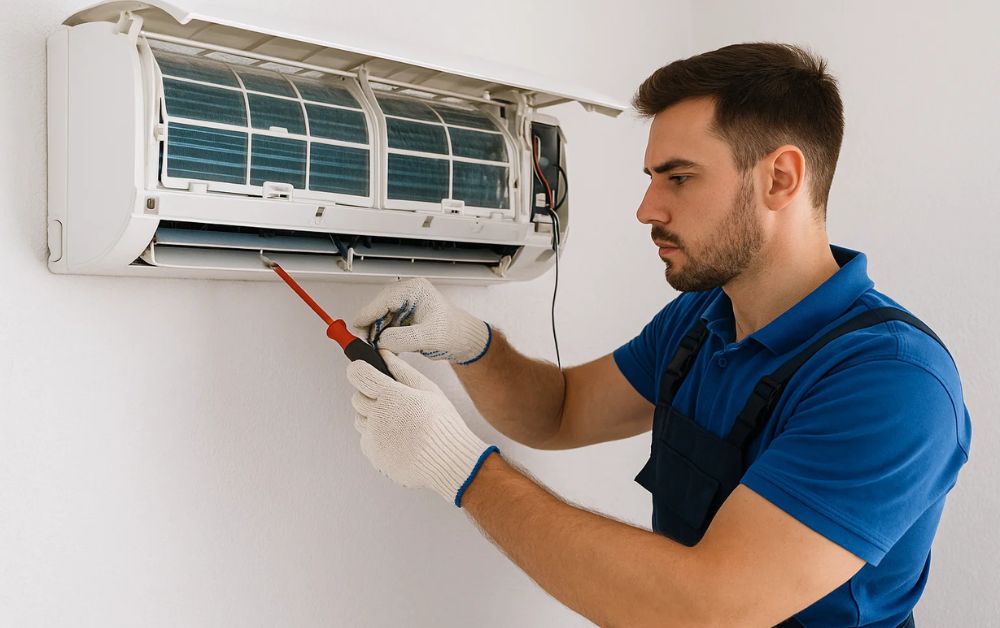
Make sure the area surrounding the external condenser unit is clean:
Your outside unit will operate most effectively if it is clean and dirt-free. Read our post on improving AC efficacy, which also contains a video on effectively cleaning your condenser, by clicking here. A specialist should handle a more intensive, comprehensive cleaning.
Keep vents clear and vacuum the inside of them:
To keep the airflow from your system consistent, you may vacuum dust and other material away from the interior supply vents. Additionally, avoid obstructing the vents with things like shades, furniture, and toys.
Turn up the thermostat a few degrees:
Usually, lowering or raising the temperature by 5 to 8 degrees will reduce costs and energy use. You can program a programmable thermostat to change the temperature automatically at different times of the day or when you will be away from home for an extended period.
Add a programmable thermostat to the system:
With programmable thermostats, you can choose the best times to cool your house. Your energy use rises by 8% for each degree colder than 78 degrees you set the thermostat on your air conditioner.
Place the air conditioner in your room in a shaded area:
Room air conditioners function best when they are kept away from direct sunlight. If at all possible, locate equipment on the north-facing side of your property. If you must install equipment on the west or south-facing side, keep the equipment out of direct sunlight by utilizing shade trees and other passive cooling strategies.
Avoid peak times:
When power prices are at their highest during the afternoon peak, turn off or cycle your central air conditioner. Discover the “demand response” program choices, including.
Observe filter adjustments:
The most efficient operation uses the most airflow. In addition to lowering indoor air quality, a filthy filter can restrict airflow and make it more difficult for your air conditioner to operate.
Air conditioning ducts should be sealed:
You might save up to $300 per year on cooling and heating expenditures by getting your heating and air conditioning ducts checked and sealed by a certified professional. Use mastics (sealants), sheet metal screws, and metal and plastic bands instead of regular duct tape.
Darken the space:
In the summer, keep the curtains and blinds closed. Keep your curtains or blinds drawn to block some heat from entering your home’s interior when the sun shines directly through the windows.
Obtain yearly inspections:
Once a year, have a qualified heating and cooling specialist examines and clean your cooling system.
Try not to use your oven or dryer:
Try to avoid using your oven and hair dryer on sweltering days. These devices will cause warm air to be circulated in the house when they are used. Because of this increase in heat, the AC will need to operate at a higher efficiency. Avoid this by avoiding using the dryer or oven on sweltering days. Your air conditioner will appreciate it.
Conclusion:
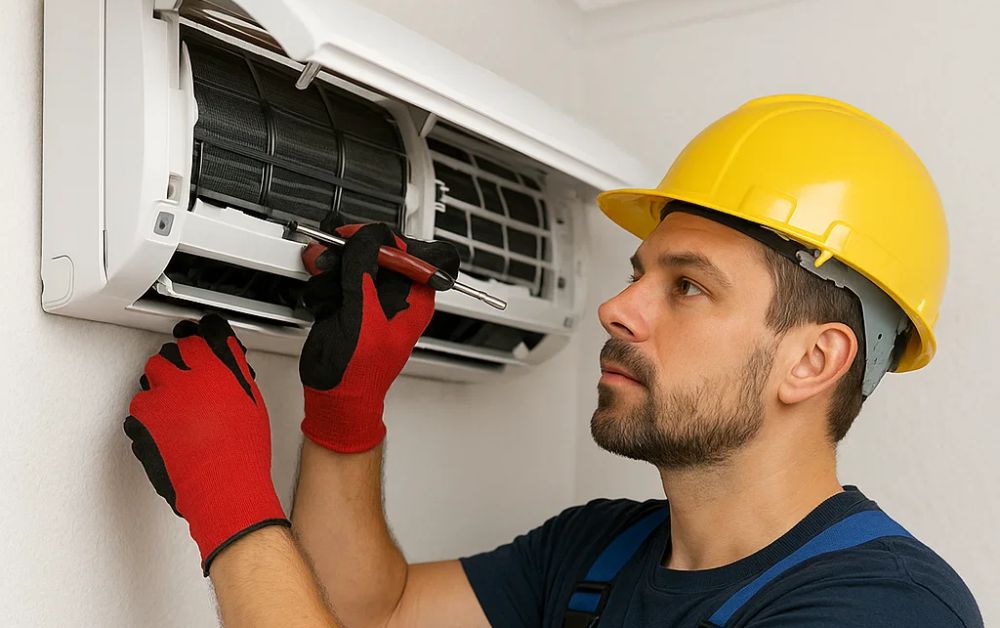
To get optical AC efficacy, save money, and lessen the likelihood that a problem may arise with your system, we advise utilizing the practical advice given above together with routine maintenance. Ensure your system is inspected by a professional at least once a year to ensure that the ducting, connections, and equipment are ready to use when the warm season arrives.
Leave a Reply